

Small Changes, Big Growth


With a strong focus on client retention and retail, Tonya DeRose, owner of Amity Salon in Clarksville, Tennessee, grew her business during the pandemic with consistency in all areas of her business.

View this post on Instagram
Currently, Amity has a 74-percent new guest retention rate (Aveda’s benchmark is 35 percent of guests returning within 12-16 weeks).
After learning about new guest strategies at Serious Business, DeRose decided to tweak the ideas to work for Amity.
“We’re located in a really competitive area,” DeRose says. “I constantly have to think of new things to make us stand out.”
So after her stylists send a handwritten thank-you card to new clients, DeRose follows up with a phone call herself.
“Every Tuesday, I call new clients to see how their experience was, and they’re always shocked and pleased to hear from the owner,” she says.
Amity clients also get a product basket filled with stylist recommendations after each appointment—every time they visit. This consistency has resulted in an average retail per client ticket of $32.80 (Aveda’s benchmark is between $13.50 and $16.50).
View this post on Instagram
“My team knows retail and other ‘extras’ are not optional—they’re our standard,” DeRose says.
“Because consistency is a core value, we bring it into all our decisions. I go back to our core values anytime I have to question something.”
“If a retail basket isn’t completed, we know our core values were not followed—so there are no excuses.”
Hiring on Her Terms
When 2021 rolled around, DeRose wanted to achieve even more growth, and knew the only way to do it was by hiring new stylists.
“I had no leadership experience when I started, and had an epiphany after a couple years in business—I could hire in whatever way worked best for me.”
So DeRose began interviewing stylists, and when she found one she liked, she courted them, reaching out often and making sure they didn’t forget about Amity.
“It always paid off,” she says. “And I filled the team with exactly the people I wanted—I added three new stylists this year. Once I started hiring that way, I haven’t lost a person.”
Leaving the Comfort Zone
Like every other salon owner, DeRose had to accommodate social distancing requirements in her salon post-shutdown. So she switched the team to a totally different schedule: 10 hours per day, four days per week. It was an adjustment, but to DeRose’s surprise, it worked so well, they kept the new hours.
“I have a young team and some military wives,” she says. “They loved this new schedule because they each get a long weekend off every month (Sat-Tues), which allows them to go home for the weekend. It cut way back on requests for time off.”
DeRose also stepped out of her comfort zone when her team of young stylists were struggling with the salon’s all-black dress code.
“I realized it’s important to the younger stylists to show who they are through their clothes,” she says. “So I got out of my comfort zone and changed our dress code.”
Amity stylists are allowed to wear what they want, but must adhere to a ratio of one casual piece to two professional pieces.
View this post on Instagram
“So if you wear your ripped jeans, you also wear nice shoes and a blazer,” she says.
DeRose implemented the new dress code with a week-long trial, and created a Pinterest board for ideas before launching it.
“There was one stylist I had been trying to pull out of her shell for a long time,” she says. “After I changed the dress code she became a new stylist right in front of my eyes—all because she felt good about herself.
“It’s a win-win—I still feel they look professional, and they feel they are showing who they are.”
Consistency Online
DeRose also applies her core value of consistency to her online presence.
“When we have a guest who loves her hair, stylists give the guest a referral card and have a sincere conversation about how a Google review will help her build her business,” she says. “This type of conversation really connects with the guest.”
Meanwhile, DeRose is constantly refreshing pictures of stylists and their work on Google and their website.
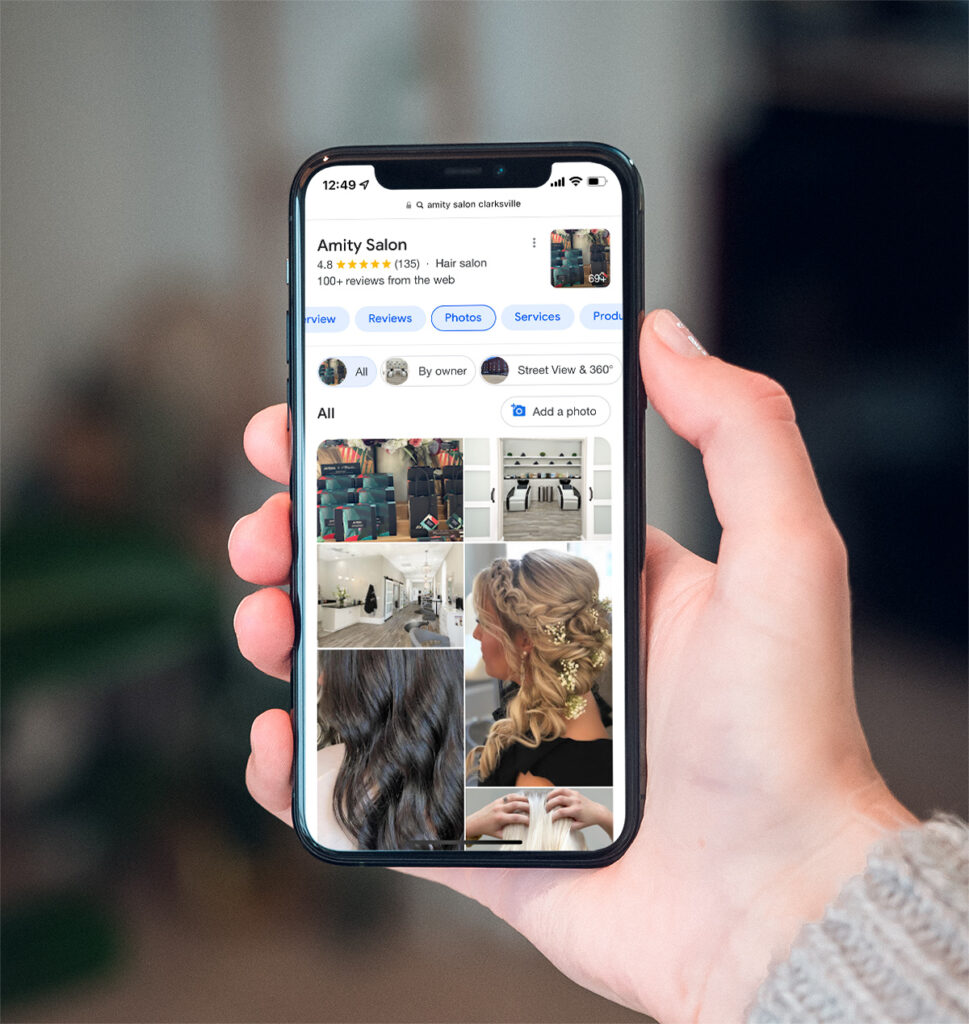
“I’m trying to think outside of social media for the people who aren’t on it. I want it to be easy to see our work,” she says. “Google is a great tool for owners. Every six months it sends me my demographics, and I’ve learned that they have changed. When we first opened, it was 30-44 year-olds. At the beginning of this year, it reflected the 22-31 age group.”
DeRose attributes the change to nearby college students discovering Amity and her young staff.
“My staff ranges from 19-22 years old and they attract younger clients,” she says.
Community Pride
DeRose loves the community she has built her business in and gives back regularly. “Teachers, military and city workers all get a discount at Amity,” she says.
“It’s important to me to say thank you to the people who do things for us every day.”
Amity also sponsors toy drives and works with women and children’s shelters. And if there’s a blood drive in town, an Amity employee will be there donating.
As DeRose gears up for 2022, she’ll continue to look to her core values to build her business in the community she loves.
Comments
-
Related Articles
-
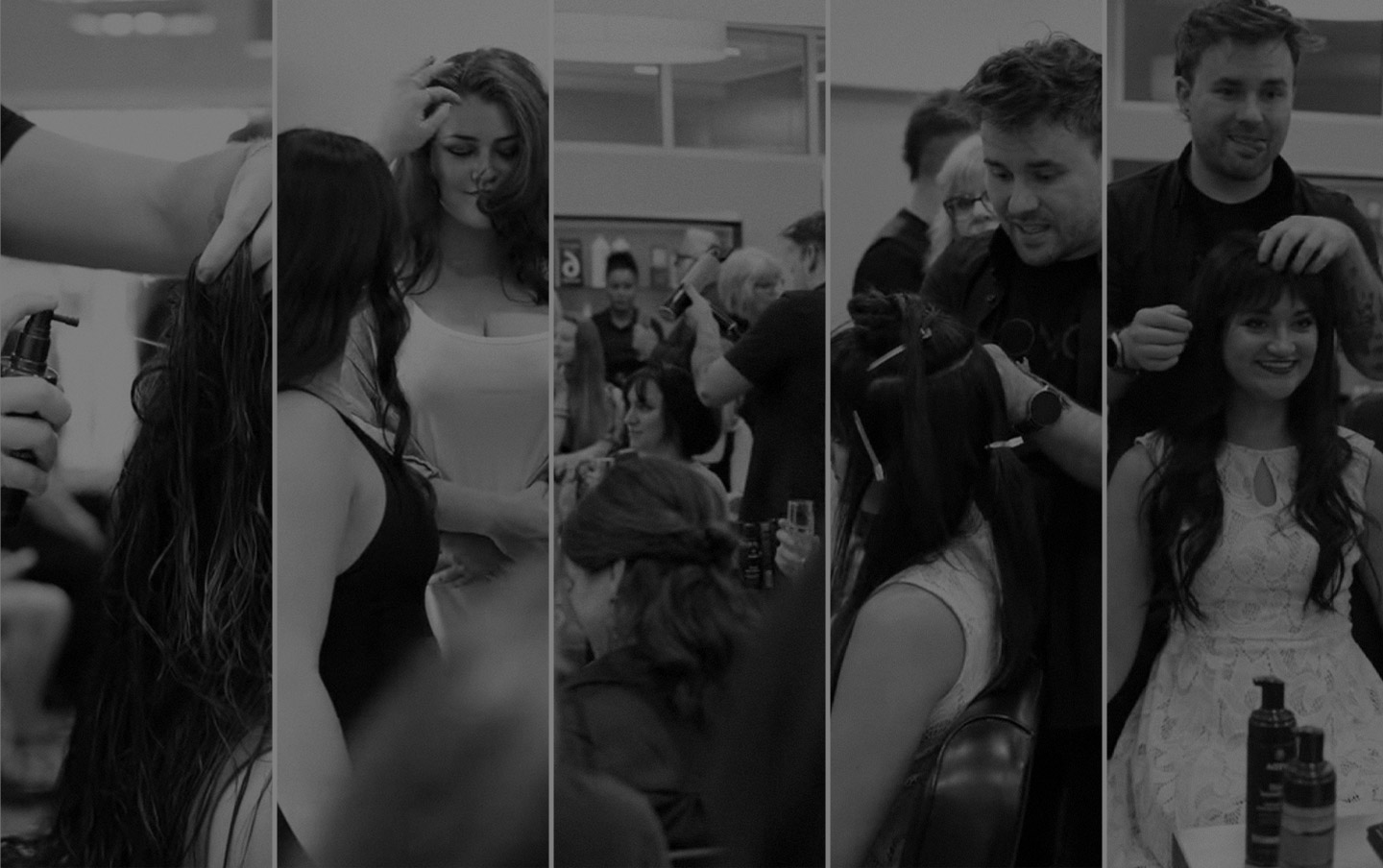
Locals Only: Stylists Star in Neill’s Education Nights
When it comes to education, Neill has always been an innovator and leader, giving its network of salons access to top educators and a wide range of technical and business education in a variety of formats […]
READ MORE »
-
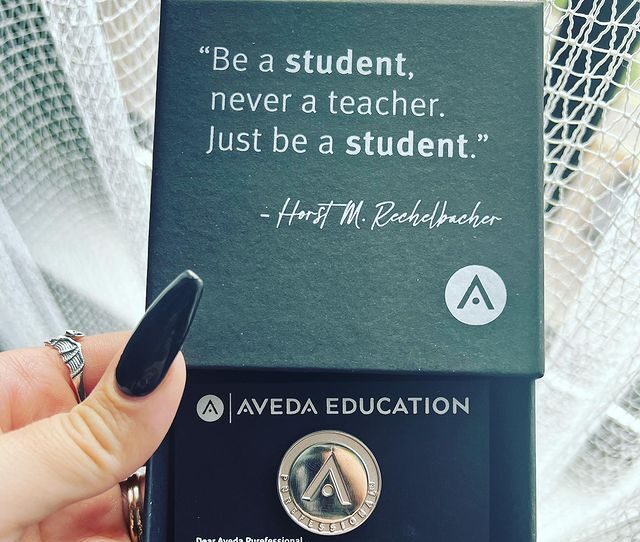
Beyond Technical: Aveda Education is Big Picture
Addressing salon culture is a priority for successful salons, paying off in dividends for those who understand its importance. Because of the impact a strong culture can have on a salon, Aveda has created educational opportunities– above and beyond technical education– for its salon network. Salon owners who take advantage of these classes […]
READ MORE »
-

Serious Business 2025: The Evolution of You
Serious Business 2025’s conference theme, “Evolve,” focuses on personal and professional growth. Through insightful speakers and interactive sessions, attendees will explore adaptation, mindfulness, and leadership.
READ MORE »
-