

Renee Gadar: How to Maximize Textured Hair Services

Renee Gadar has had a passion for hairdressing since the very beginning. She fell in love with the power and beauty of hair after getting her hair braided into cornrows as a kid. She then became the family hairdresser by 9 years old and dedicated “kitchen beautician” in the community by 14.
Renée is the Aveda Global Artistic Director for texture and a powerful voice in our industry. She’s had a life long commitment to become a master of her craft and is an advocate for education in textured hair.
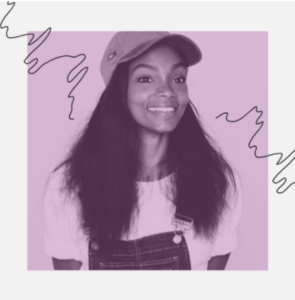 After finishing Cosmetology school at 26, she went on to further develop her professional skills as a Senior Stylist at Arrojo Studio in New York. Today, she aspires to make everyone feel included and safe in the salon chair.
Textured hair in this context refers to hair that isn’t straight, which can range anywhere from loose waves to corkscrew curls, to coils and kinks, or afro hair.
Educating stylists to service textured hair with greater efficiency is of paramount importance to the salon industry, where future shifting demographics will mean clientele will increasingly fall into this category. As a salon owner or hairdresser, if you haven’t yet began to shift your business to learn how to correctly treat textured hair, we say – now is the time! We think it’s the number one way to create a business and career of longevity.
We count ourselves lucky to have Renee as a resource. She can offer us insight into how to best maximize textured services to leave any client who walks out of the salon feeling happy and satisfied. Here are 5 tips on how to understand and treat textured hair.
Know The Numeric Hair Type System Thoroughly.
Understanding the numeric system which classifies the hair types will allow you to care for each type correctly when guests come into the salon. Not every hair type needs the same level of moisture, care, or washing, which is particularly important when treating textured hair.
Type 1 is straight, type 2s are wavy, type 3s are curly and type 4s are coily.
These are then further classified from A to C, based on the diameter of the wave or coil pattern. Type As have a wider pattern size, Bs are medium, whilst Cs are the smallest.
When describing textured hair, it is important to use language which is empowering and supportive to the client. Using the numeric system eliminates the need to describe hair types in comparison to other types by classifying or ranking them in a hierarchy.
Textured hair clients will predominantly fall in hair types 3 and 4, which generally need extra TLC. “Textured hair is usually finer as there is less of a protective cuticle layer on the outside,” Renee explains to Space NK. Protection and moisturization are extra important for these hair types, leading onto the next tip.
Keep Textured Hair Extra Hydrated And Moisturized.
Textured hair needs more hydration and moisture than other hair types, which lends itself to being dryer and more prone to shrinkage. Hydrating on a regular basis with natural oils will help to nourish the guest’s hair and retain moisture.
For example, instead of trying to style hair by rewetting it with water, opt for dampening with leave in conditioner instead by adding a light-weight and nutrient dense replacement. Depending on which brand your salon carries, you’ll want to reach for something specifically designed for textured hair. Renee uses Aveda’s nutriplenish™ leave-in conditioner made with organic pomegranate oil and sand ginger extract, both moisturizing the hair and protecting it from UV damage.
Protect As You Style, Twist And Braid.
Styling textured hair can place a lot of stress and create damage when not carefully protected. Hydrating as you style textured hair, such as when twisting or braiding, will lock in moisture and protect hair from shrinkage and frizz.
As Renee explains, “if I am doing a flat twist or a natural set I’ll add more Aveda nutriplenish™ oil to my hands with every section I take on and work it into the hair as I style.” Using heat protectants is highly important as well, to protect the hair shafts and follicles and eliminate possible future damage.
Opt For Naturally-derived Ingredients Free From Sulfates And Parabens.
As for all hair types, using products which are free of harsh chemicals and ingredients such as sulfates, parabens, and silicones will greatly support hair health. These ingredients can dry out and strip natural hair oils even more, which can further deplete textured hair types.
Renee specifically warns against using products containing lots of ingredients ending in “-cone” indicating the presence of silicones, which can build a shield over the hair shaft and actually prevent hair from absorbing moisture. Using oils which are lipid-rich, such as coconut oil, mango butter, or pomegranate oil, will help with hair manageability, shine, and softness.
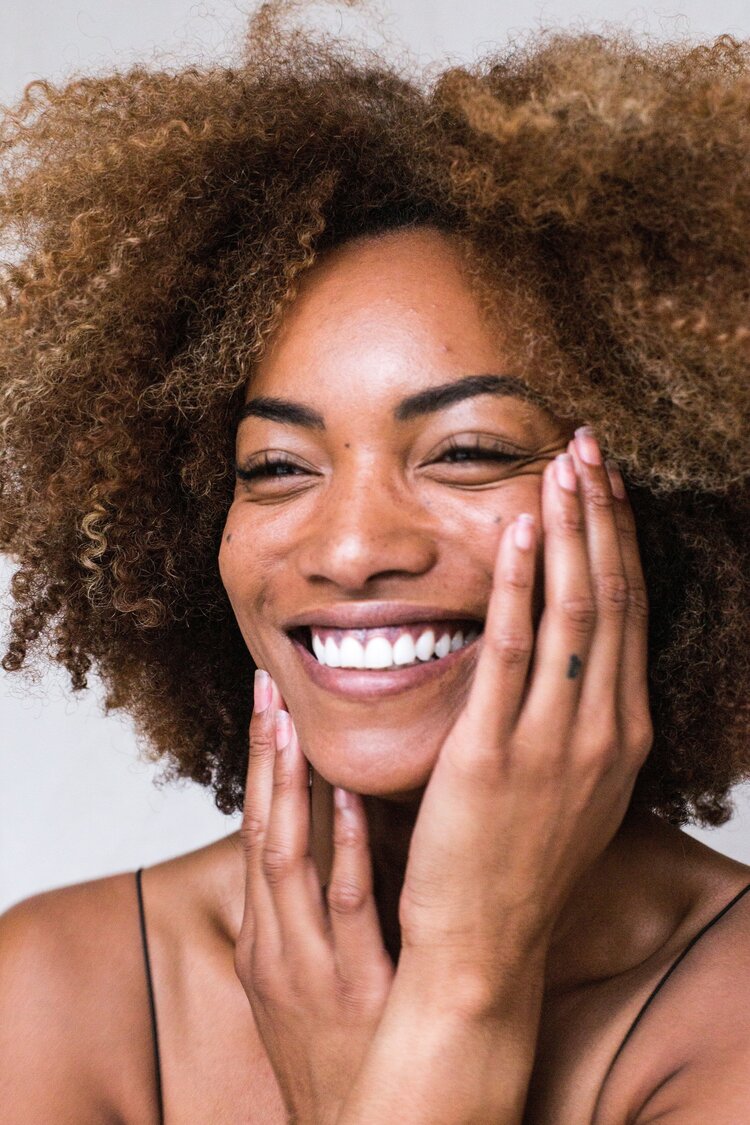
Minimize Shampoo And Don’t Overwash.
Textured hair types don’t need to be shampooed as often as the other types, as overwashing can strip the hair of it’s natural oils making it more susceptible to breakage. Educate clients with textured hair about optimal washing routines, which can even be left up to two weeks without shampooing. Co-washing, which is washing with conditioner only, can be used in between shampoo washes to cleanse and refresh their hair. Be mindful of overwashing hair during salon services and treatments as well.
Renee will be sharing more about textured hair services and how to best service textured hair clients to grow your business at Serious Business 2021. Her extensive experience and knowledge of textured hair is invaluable and won’t want to be missed, so make sure to grab your ticket for January.
Comments
-
Related Articles
-
Locals Only: Stylists Star in Neill’s Education Nights
When it comes to education, Neill has always been an innovator and leader, giving its network of salons access to top educators and a wide range of technical and business education in a variety of formats […]
READ MORE »
-
Beyond Technical: Aveda Education is Big Picture
Addressing salon culture is a priority for successful salons, paying off in dividends for those who understand its importance. Because of the impact a strong culture can have on a salon, Aveda has created educational opportunities– above and beyond technical education– for its salon network. Salon owners who take advantage of these classes […]
READ MORE »
-
VoMor Extensions: Now With Custom Texture Treatments
As education around textured hair has evolved in Aveda salons over the past few years, stylists have learned more about cutting, coloring and styling curls. And with the recent launch of Be Curly Advanced, guests have the tools to recreate these styles at home.
READ MORE »
-